

A new AI platform gathers testimonies from October 7

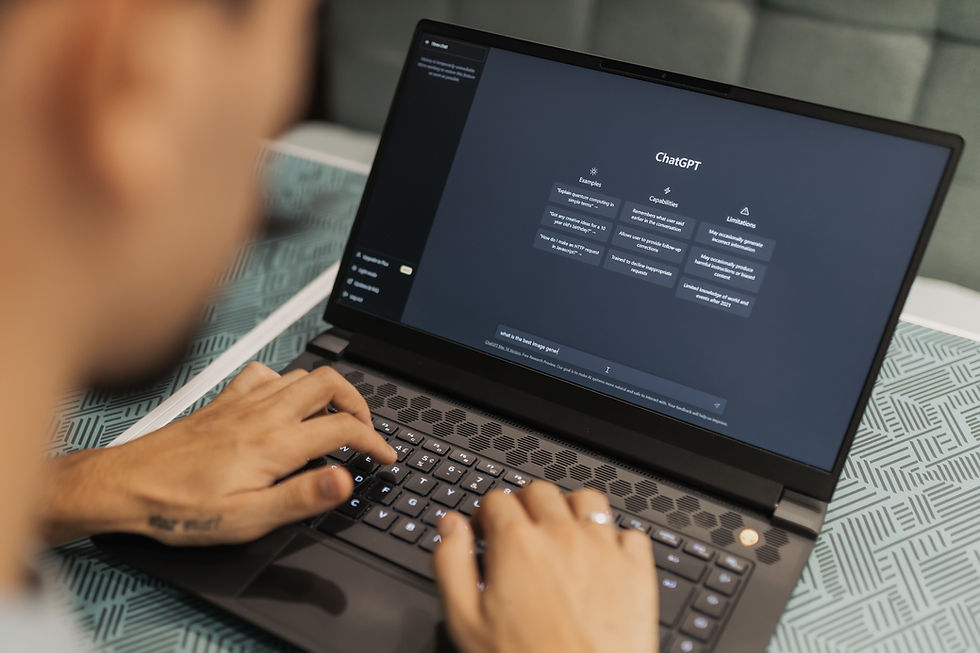
On the eve of the third anniversary of the October 7 attacks, the Hebrew University of Jerusalem, in partnership with Edut 710, is unveiling “Edut AI,” a new AI-powered management and research platform built around testimonies from survivors and witnesses of October 7.
The platform will be launched next Wednesday, October 7, as part of an international academic conference titled “Edut 710, Archives of the Present: Memory, Ethics and Trauma in the Age of Artificial Intelligence.”
The event will bring together Israeli and international researchers to examine how artificial intelligence can help preserve, organize, search, study and teach testimonies from October 7, while addressing the ethical questions raised by the intersection of trauma, memory and technology.
Unlike traditional archives, Edut AI is designed to make a vast body of testimonies searchable and accessible in new ways. Users will be able to explore thousands of personal accounts, identify themes and patterns, and engage with the human stories of those who were in the Negev on the day of the attacks.
The platform is intended for researchers, educators, students, creators, journalists and members of the public in Israel and around the world.
“Collecting and preserving the testimonies of October 7 in a way that enables in-depth research is a crucial historical undertaking,” said Professor Tamir Sheafer, president of the Hebrew University of Jerusalem.
“We see it as our responsibility to place our research capabilities and most advanced computational tools at the service of this effort, so that the memory of the disaster and the voices of its victims are not merely preserved in archives, but become a living infrastructure for research, remembrance and public understanding in Israel and around the world. This work aims to ensure that the voices of survivors are heard,” he added.
At the heart of the project is the challenge of making testimonies accessible without reducing the complexity of the experiences they document. Edut AI is not intended to replace archives, but rather to provide a technological and ethical framework for engaging with survivors’ accounts while preserving the integrity of personal stories as they become part of collective memory and historical research.
“Archives of the present raise new historical, legal and ethical questions: Who owns memory? How can we protect the privacy and dignity of witnesses who have experienced trauma? What role does artificial intelligence play in shaping the historical narrative?” said Professor Renana Keydar of the Hebrew University’s Faculty of Humanities.
Edut 710 was launched in the aftermath of the October 7 attacks with an urgent mission: to preserve the voices of those who experienced that day firsthand. To date, its entirely volunteer team has collected more than 1,700 direct testimonies.
These deeply personal accounts serve as a living link between Israel and Jewish communities around the world, preserving individual experiences while contributing to the historical record of one of the most consequential days in Israel’s recent history.
Caroline Haïat


Comments