

A new therapy could help Israeli soldiers traumatized by war


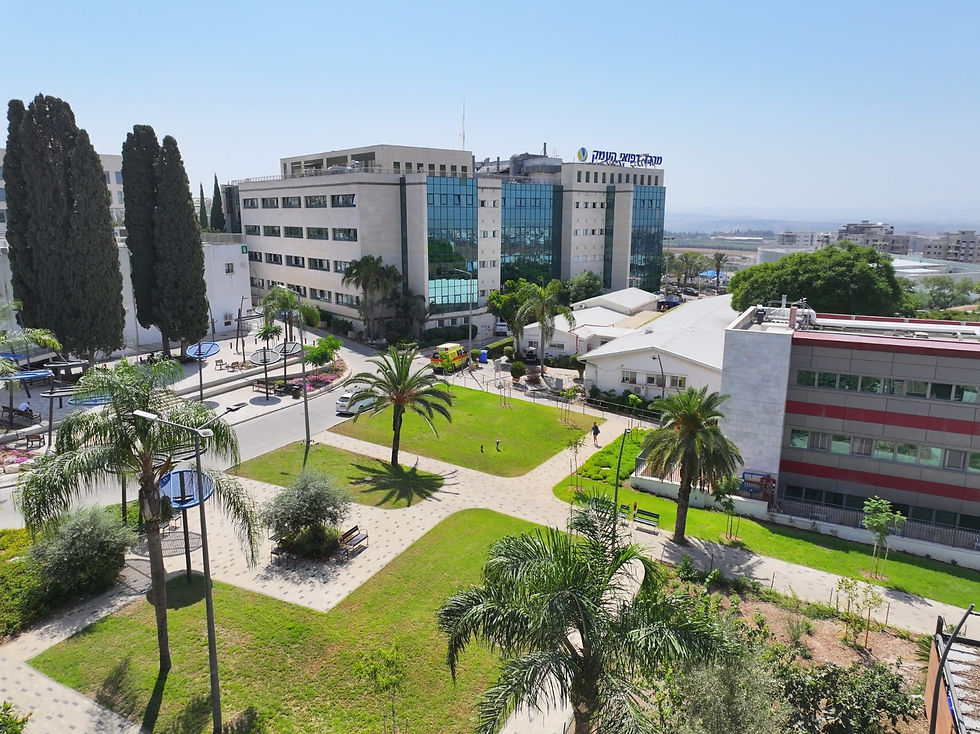
As Israel faces an unprecedented rise in cases of post-traumatic stress disorder (PTSD) since the October 7 attacks and the outbreak of the war, a clinical study conducted at Clalit Health Services' HaEmek Medical Center is exploring a promising new therapeutic approach for soldiers coping with the invisible wounds of combat.
Conducted at the hospital's Center for Psychedelic Treatment and Research, the study is evaluating the safety and effectiveness of MDMA-assisted psychotherapy for Israeli soldiers suffering from PTSD.
The preliminary findings are encouraging: approximately 80% of participants who completed the treatment reported a significant reduction in their symptoms, while the majority no longer met the clinical diagnostic criteria for PTSD.
Researchers emphasize, however, that this approach remains experimental. MDMA-assisted psychotherapy has not been approved as a standard medical treatment in either Israel or the United States and is currently available only through strictly regulated clinical research programs conducted under medical and ethical supervision.
A Major Psychological Crisis Since October 7
The need for new therapeutic options has grown significantly since the war began. According to data from Israel's healthcare system, PTSD diagnoses have increased by approximately 70%, particularly following the October 7 attacks and the months of fighting that followed.
Behind these figures are thousands of soldiers struggling with the psychological consequences of prolonged combat exposure, loss, and constant uncertainty.
Dr. Alon Reshef, Director of Psychiatry at Clalit-HaEmek Medical Center and principal investigator of the study, stresses the importance of early intervention.
"The number of people coping with post-traumatic stress is enormous. Beyond the personal suffering experienced by soldiers, PTSD also affects their families and society as a whole. When patients begin treatment within the first month to one year after the traumatic event, their chances of recovery are significantly better. As more years pass, treatment becomes increasingly complex," he explains.
The study is co-led by clinical psychologist Ronen Sidi, a former soldier in the elite Duvdevan Unit, who brings both professional expertise and personal experience of the challenges faced by combat soldiers.
"Approximately 15% of combat soldiers exposed to severe battlefield trauma may develop chronic PTSD. These are often highly resilient, committed and courageous individuals who struggle to ask for help or speak openly about their fear, guilt or feelings of helplessness," he says.
Creating a Therapeutic Window to Process Trauma
The treatment protocol consists of 13 sessions, combining intensive psychotherapy with three sessions during which MDMA is administered under medical supervision.
Each MDMA-assisted session lasts up to eight hours and takes place in a dedicated clinical setting. Participants are accompanied throughout by two experienced therapists—including psychiatrists, psychologists or social workers—who are specially trained in trauma care.
According to the researchers, the substance may temporarily create a "therapeutic window", enabling patients to revisit traumatic memories with greater emotional regulation, trust and a stronger sense of psychological safety.
Strictly Regulated Clinical Research
HaEmek Medical Center emphasizes that only soldiers meeting strict eligibility criteria may participate in the study. Each participant undergoes a comprehensive medical and psychological assessment before entering the program and must also have a stable family support system and receive continuous professional supervision throughout the treatment.
Although these early findings will need to be confirmed through larger clinical trials before the treatment can be considered for medical approval, researchers believe this approach could open a new avenue for treating combat-related trauma at a time when Israel is facing one of the most significant mental health challenges in its recent history.
Caroline Haïat


Comments