

Israel: An Emergency Protected Hospital for the Most Vulnerable Patients
- Caroline Haïat

- Mar 8
- 3 min read

Faced with missile fire from Iran and Lebanon and a shortage of protected hospital infrastructure, Israel’s largest healthcare provider, Clalit Health Services, has announced the opening of a new secure hospital named Magen HaAri (“Lion’s Shield”) in Rishon Lezion, near Tel Aviv.
The facility, established in just a few days as part of an emergency operation, is designed to accommodate particularly vulnerable patients, especially those in rehabilitation and geriatric care.
Starting today, 216 patients will be transferred to the new facility to continue their treatment under safer conditions. Many of these patients are bedridden or have very limited mobility, making it difficult for them to reach shelters quickly during missile alerts. To ensure continuity of care, the medical and nursing teams who treat them will also move to the new site.
The decision to establish this protected hospital was made by Clalit’s CEO, Eytan Wirtheim, amid escalating security tensions and ongoing missile attacks. According to him, many patients hospitalized in rehabilitation or geriatric facilities rely entirely on medical staff to reach protected areas, making sirens particularly dangerous for them.
“The creation of Magen HaAri Hospital responds to an urgent need. Since the beginning of the military operation, we have taken numerous measures to strengthen the protection of our patients and reduce density in hospitals,” said Wirtheim. He emphasized that a society is ultimately judged by its ability to protect the most vulnerable, particularly elderly and dependent patients.
A large-scale logistical operation
Transferring the patients represents a highly complex operation. Dozens of ambulances are being mobilized to transport elderly and medically fragile patients from cities across Israel, sometimes even during missile alerts or attacks.
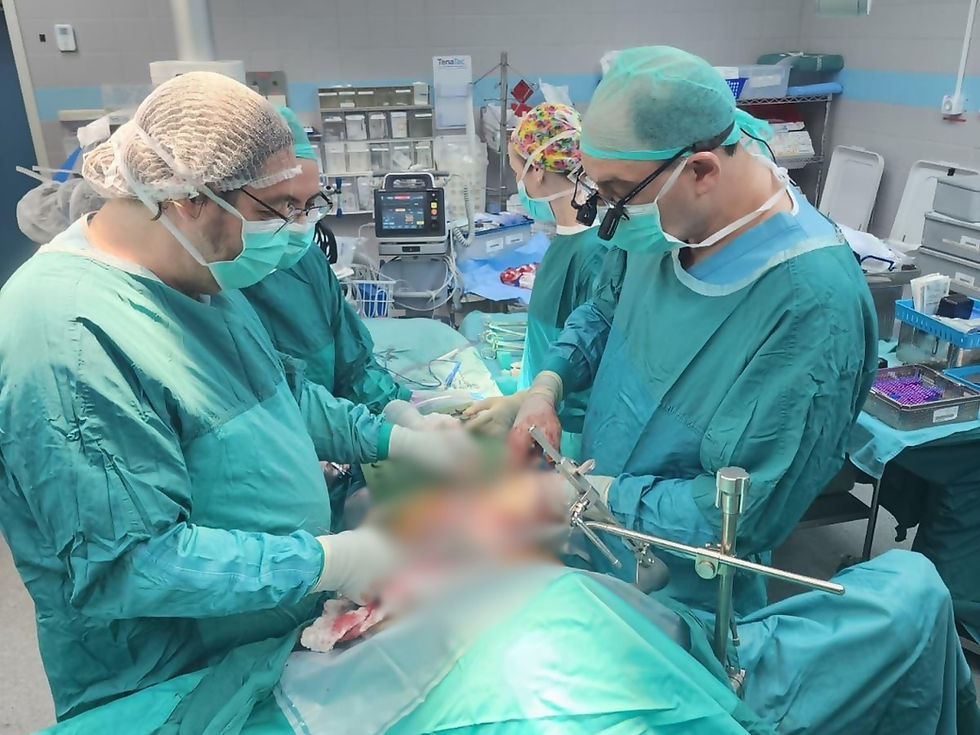
Hundreds of Clalit employees took part in the rapid establishment of the new facility. Doctors, nurses, logistics teams, engineers, IT specialists, and administrative staff worked around the clock to make the building operational.

The agreement enabling the opening of the center was signed with the Hamami family, owners of the building in Rishon Lezion, which had originally been intended to operate as an assisted living residence. Part of the complex was repurposed to create a seven-story protected hospital dedicated to rehabilitation and geriatric care.
In record time, inpatient rooms were adapted, medical computer systems installed, pharmacy services established, and treatment infrastructure put in place, transforming the building into a functioning medical center capable of receiving hundreds of patients in protected conditions.
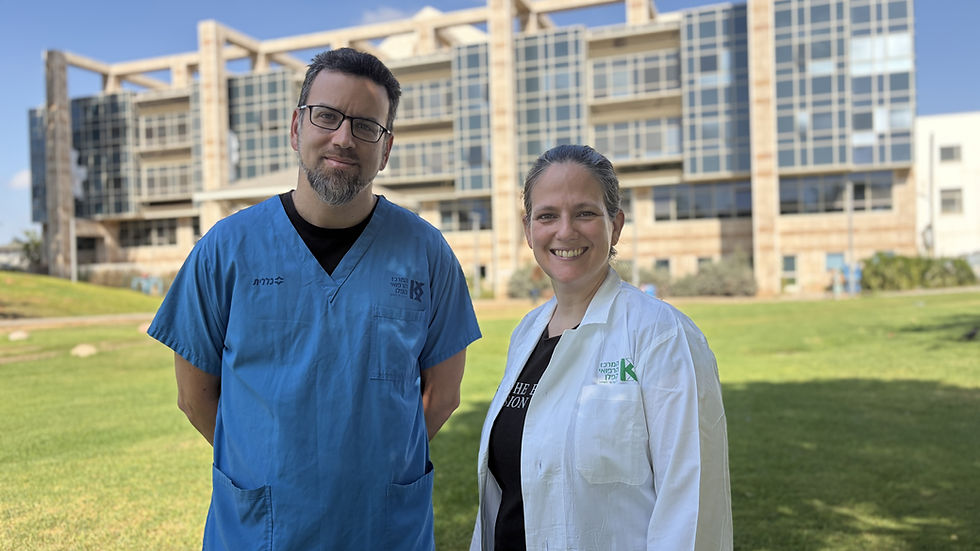
The new facility will be jointly operated by teams from three medical centers. Approximately 250 staff members will work there, including physicians, nurses, physiotherapists, occupational therapists, and social workers. The hospital will be directed by Dr. Tatiana Vender, director of the Beit Rivka Medical Center and a specialist in neurology and physical and rehabilitation medicine.
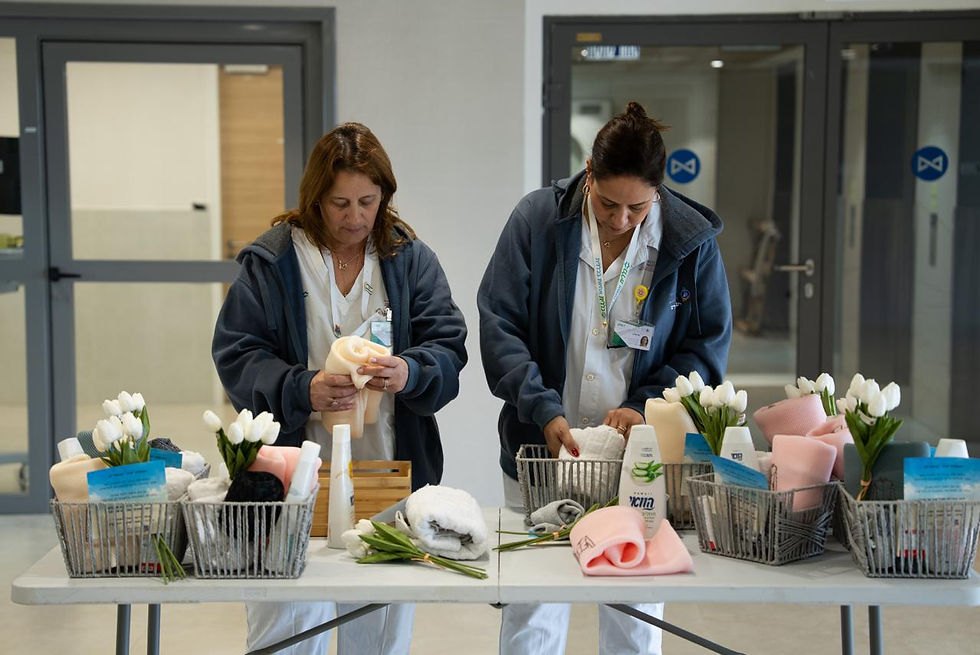
To fully operate the new medical center, advanced equipment has been transferred to the facility, including a mobile X-ray unit, ultrasound systems, defibrillators, infusion pumps, oxygen generators, patient lifting devices, and specialized hospital beds.
The initial direct cost of the operation is estimated at approximately 4 million shekels. This investment aims to ensure safety and continuity of care for hundreds of complex patients until they can return to their original facilities once the war ends. The project also benefited from the support of Raz Kinstlich, the mayor of Rishon Lezion.
The opening of Magen HaAri Hospital is part of a broader series of emergency measures implemented by Clalit during the current crisis, including the expansion of home hospitalization services, the development of online medical care, and the activation of dedicated support systems for evacuees and patients across the country.
Caroline Haïat

Comments