

Artificial intelligence is redefining preventive medicine in Israel


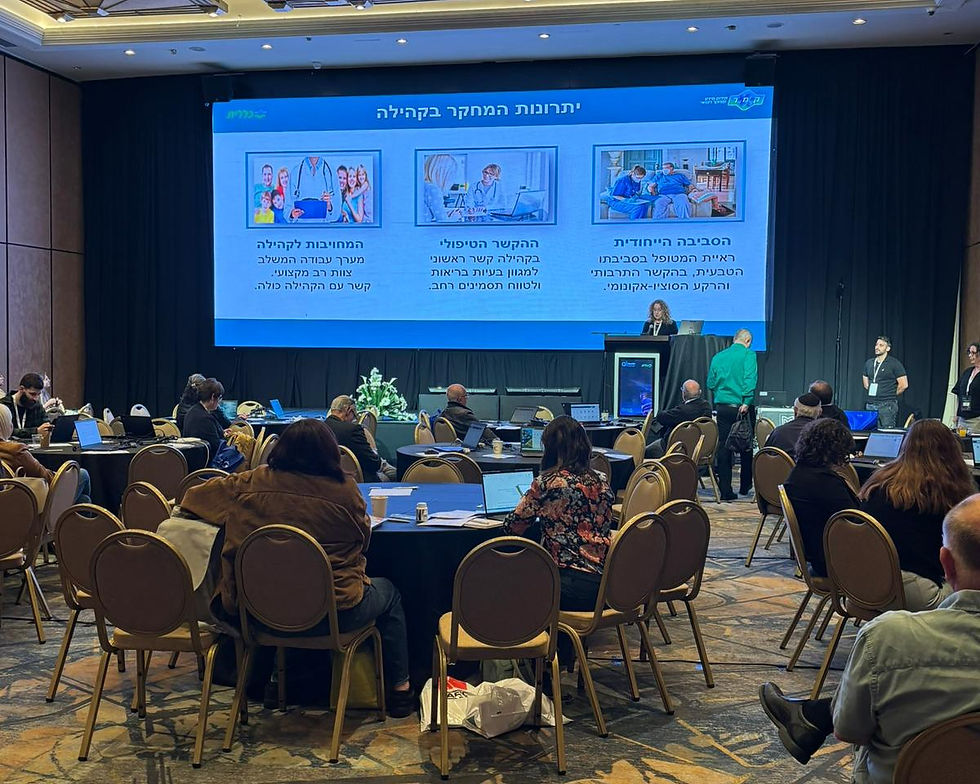
At a conference held on May 6 at the David InterContinental Tel Aviv, Israel’s largest healthcare provider, Clalit Health Services, unveiled a series of technological innovations, most of them powered by artificial intelligence, aimed at profoundly transforming medicine and patient care. At the center of the event was AI-PRO, an artificial intelligence system developed by Clalit that seeks to shift the healthcare system toward predictive, preventive, and proactive medicine.
More than 800 physicians, nurses, and clinical pharmacists attended the conference, which highlighted an approach in which artificial intelligence supports — rather than replaces — the judgment of healthcare professionals.
Acting Before Symptoms Appear
The AI-PRO system represents one of the most advanced projects in Israel in the field of personalized medicine. Every night, the platform analyzes millions of medical records among the five million patients treated by Clalit in order to identify individuals at high risk of developing certain diseases or experiencing deterioration in their condition.
The objective is clear: to intervene even before the patient consults a physician.
In practice, medical teams can proactively contact patients, recommend tests, refer them to specialists, or adjust medication before serious complications develop.
Once the recommendations are validated by healthcare professionals, AI-PRO cross-references patient medical data with the latest international clinical guidelines in order to propose personalized treatment plans while prioritizing the most urgent cases.
The system, however, never makes autonomous decisions. Physicians retain full clinical responsibility and independently decide whether or not to adopt the recommendations generated by artificial intelligence.
According to Clalit, nearly 200,000 recommendations are produced every month and incorporated into daily medical practice.

Connected Devices for Real-Time Medical Monitoring
Several innovative remote blood pressure monitoring solutions were also presented, with launches expected by the end of the month. These devices will enable continuous transmission of data directly into patients’ medical records.
Among the tools presented were a dedicated mobile application, a smart continuous-monitoring patch developed by Biobeat, and an automated home monitoring system designed by Essence.
The collected data will be analyzed in real time in order to provide physicians with updated therapeutic recommendations and a continuous overview of each patient’s health condition. This integration of telemedicine and artificial intelligence is intended in particular to improve the management of chronic diseases such as hypertension, diabetes, cardiovascular disease, and obesity.
Professor Doron Netzer, director of the conference and head of Clalit’s medical division, emphasized the scale of the ongoing transformation:
“We are changing the paradigm: we are no longer focusing solely on treating disease, but on prevention based on prediction. The ability to identify the future patient before the disease even develops is the real revolution we are leading.”
He added that this transformation lies at the heart of the major expansion of family medicine currently being carried out by Clalit.

Professor Ran Balicer also noted that Clalit developed “the first predictive model designed to prevent dialysis,” which is now being gradually integrated into routine care.
With more than 14 hospitals and 1,600 community clinics across the country, Clalit possesses one of the largest and most centralized medical databases in the world, providing particularly favorable conditions for the development of artificial intelligence in healthcare.
Caroline Haïat



Comments